

How to Wind an Automatic Watch: A Simple Owner’s Guide
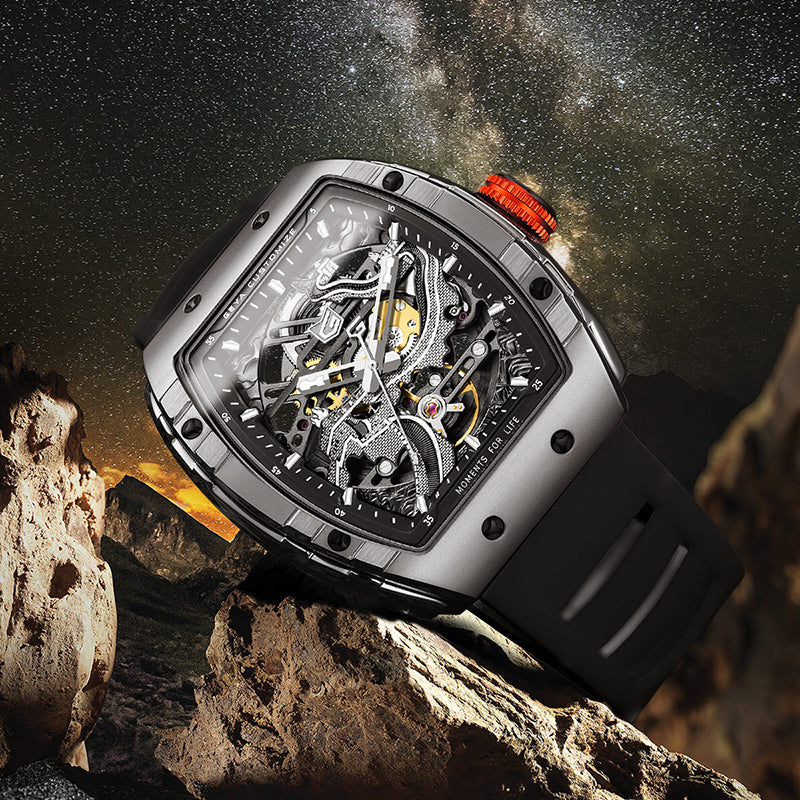
Automatic watches do not use disposable batteries. Instead, they are powered by a mechanical mainspring inside the movement.
As you move your wrist, a weighted rotor rotates inside the watch and transfers energy to the mainspring. The stored energy then keeps the movement running when the watch is no longer being worn.
Depending on the movement, an automatic watch may continue running for approximately 40 to 70 hours after you take it off. Some movements offer an even longer power reserve.
No charging cable. No routine battery replacement. Just mechanical engineering powered by movement.

Do You Need to Manually Wind an Automatic Watch?
In many cases, yes—but not every automatic movement can be wound by hand.
If your watch supports manual winding, giving it an initial wind before wearing it can help build enough power reserve for stable operation. For many hand-windable automatic watches, approximately 20 to 40 slow crown turns are enough to get the movement started.
However, the correct number of turns varies by movement. Always check the instructions supplied with your specific watch.
Some automatic movements cannot be wound through the crown. These watches are started by gently moving the watch from side to side before wearing it.
Can You Overwind an Automatic Watch?
Most modern automatic movements use a slipping mechanism that prevents the mainspring from being wound beyond its intended capacity.
That does not mean you should keep turning the crown indefinitely. Stop after the recommended number of turns, and never force a crown that feels unusually stiff, rough or difficult to rotate.
A sudden change in winding resistance may indicate that the crown or movement should be inspected.
How Often Should You Wind an Automatic Watch?
How often you need to wind your watch depends on its power reserve, how frequently you wear it and how active you are during the day.
| Situation | Recommended action |
|---|---|
| You wear it every day | Manual winding is usually unnecessary once the watch has sufficient power. |
| You wear it every two or three days | Give it a small initial wind before wearing if the power reserve is low. |
| It has been unused for several days | Restart it according to the movement instructions, then set the time. |
| It stops during the day | Give it an initial wind and wear it for several hours. |
| It repeatedly stops while being worn | Check your activity level, power reserve and watch condition. |
A watch worn during a relatively inactive day may not receive enough rotor movement to reach a full power reserve. Desk work, limited arm movement and short periods of wear can all affect how much energy the watch stores.
If your watch continues to stop despite being worn regularly, it may need inspection by a qualified watch technician.

How to Wind an Automatic Watch Properly

1. Take the Watch Off Your Wrist
Wind the watch while holding it securely in your hand.
Turning the crown while the watch is on your wrist can place unnecessary sideways pressure on the crown and stem.
2. Release the Crown if Necessary
If the watch has a screw-down crown, turn it gently counterclockwise until it releases.
Do not pull the crown into the time-setting position unless required by your watch’s instructions.
3. Turn the Crown Slowly
For many automatic watches, the crown is turned clockwise while it is in the normal winding position.
Movement designs vary, so consult the manual for your model if you are unsure about the correct direction.
Use smooth, controlled rotations with your thumb and index finger. There is no need to wind quickly.
4. Give It an Initial Wind
For many hand-windable automatic movements, 20 to 40 slow rotations are enough to start the watch and establish a useful power reserve.
This is a general range rather than a universal rule. Follow the instructions for your particular movement whenever they are available.
5. Do Not Force the Crown
A normal automatic crown may not reach a firm stopping point when the mainspring is fully wound.
Stop winding if the crown becomes unusually difficult to turn. Never use excessive force.
6. Secure the Crown
Push the crown back into its normal position.
For a screw-down crown, press it gently toward the case while turning it clockwise until it is properly secured. Correctly closing the crown is essential for maintaining the watch’s intended water resistance.
Why Did My Automatic Watch Stop?
It Was Not Worn Long Enough
A few minutes on the wrist may start the watch, but it may not build enough reserve to continue running overnight.
Your Daily Activity Was Limited
The rotor depends on wrist movement. A very inactive day may provide less winding energy than expected.
The Power Reserve Has Run Out
Once the stored energy is depleted, the watch will stop. This is normal and does not necessarily indicate a fault.
The Watch May Need Inspection
A noticeable reduction in power reserve, unusual winding resistance, inconsistent accuracy or frequent stopping may indicate that the movement requires professional attention.
Five Automatic Watch Care Tips
1. Wear It Regularly, but Do Not Worry About Short Breaks
An automatic watch does not need to run continuously to remain healthy.
Leaving it unworn for several days or weeks is normally not a problem. Store it in a clean, dry place away from direct sunlight, strong magnets and extreme temperatures.
A watch winder is a convenience, not a requirement for most automatic watches.
2. Keep It Away From Strong Magnets
Speakers, magnetic phone accessories, tablet covers, handbag clasps and some electronic devices can affect a mechanical movement.
A magnetized watch may suddenly gain or lose a noticeable amount of time.
If the accuracy changes dramatically without another obvious cause, a watch technician can test the movement and demagnetize it if necessary.
3. Follow the Manufacturer’s Service Guidance
Mechanical watches contain lubricants, seals and moving components that change over time.
There is no single service interval that applies to every watch. The appropriate schedule depends on the movement, usage, climate, water exposure and manufacturer’s recommendations.
Arrange an inspection if you notice a significant change in accuracy, a shorter-than-normal power reserve, unusual noise or winding resistance, moisture beneath the crystal, damage to the crown or reduced water resistance.
4. Treat Water Resistance Conservatively
A water-resistance rating is not the same as a promise that a watch is suitable for every activity at that depth.
| Rating | General guidance |
|---|---|
| 3 ATM / 30 metres | Protect from immersion; suitable only for minor accidental splashes. |
| 5 ATM / 50 metres | Suitable for limited water exposure, but avoid swimming unless specifically approved. |
| 10 ATM / 100 metres | Commonly suitable for swimming when the crown and seals are in good condition. |
| 20 ATM / 200 metres or more | May be suitable for water sports or diving when explicitly designed and tested for them. |
Always follow the instructions for your specific model.
Do not operate the crown or pushers while the watch is wet. Avoid hot showers, steam rooms and saunas, as heat and rapid temperature changes can affect seals.
Water resistance can also decrease as gaskets age, so periodic pressure testing is recommended for watches regularly exposed to water.
5. Clean It Gently
Wipe the case and crystal with a clean microfiber cloth.
For a water-resistant watch with a metal bracelet, light cleaning with a soft brush may be appropriate when the crown is fully secured. Follow the model-specific care instructions before using water.
Leather straps should generally be kept dry. Sweat, water, perfume and cleaning products can discolor or weaken the material.
Do You Need a Watch Winder?
Most owners of simple automatic watches do not need one.
A watch winder may be useful when you regularly rotate several automatic watches, your watch has a complicated calendar that takes time to reset, or the movement manufacturer provides clear winding-direction and turns-per-day instructions.
Using an unsuitable winding direction or excessive turns per day provides little benefit. Check the movement specifications before placing a watch on a winder.
Enjoy the Mechanical Experience
An automatic watch is more than an instrument for displaying the time. Its rotor, mainspring, gear train and escapement work together without a conventional battery.
A visible balance wheel, open-heart dial or skeletonized movement allows you to see part of that process in action.

GEYA offers automatic watches designed to bring mechanical movement into everyday style. Review the specifications on each product page for current information about the movement, power reserve, water resistance, materials, warranty and care requirements.
Explore GEYA Automatic Watches
Questions about a GEYA watch? Contact support@geyawatches.com for model-specific winding and care guidance.
Frequently Asked Questions
Can I wind an automatic watch every day?
Yes, provided the movement supports manual winding. Daily winding is usually unnecessary when the watch is worn regularly, but a small initial wind can be useful after the watch has stopped.
How many turns does an automatic watch need?
The correct number depends on the movement. For many hand-windable automatic watches, 20 to 40 slow crown turns are enough to start the watch. Consult the model instructions for an exact recommendation.
Is it bad to let an automatic watch stop?
No. Allowing an automatic watch to stop is normally harmless. You will simply need to restart it and reset the time before wearing it again.
Can shaking damage an automatic watch?
Normal wrist movement is what the watch is designed to use. Avoid aggressive shaking, striking the watch against your hand or trying to spin the rotor forcefully.
Why does my watch stop overnight?
It may not have built enough power reserve during the day. Wind it according to the movement instructions and wear it for several hours. If the problem continues, arrange an inspection.


